
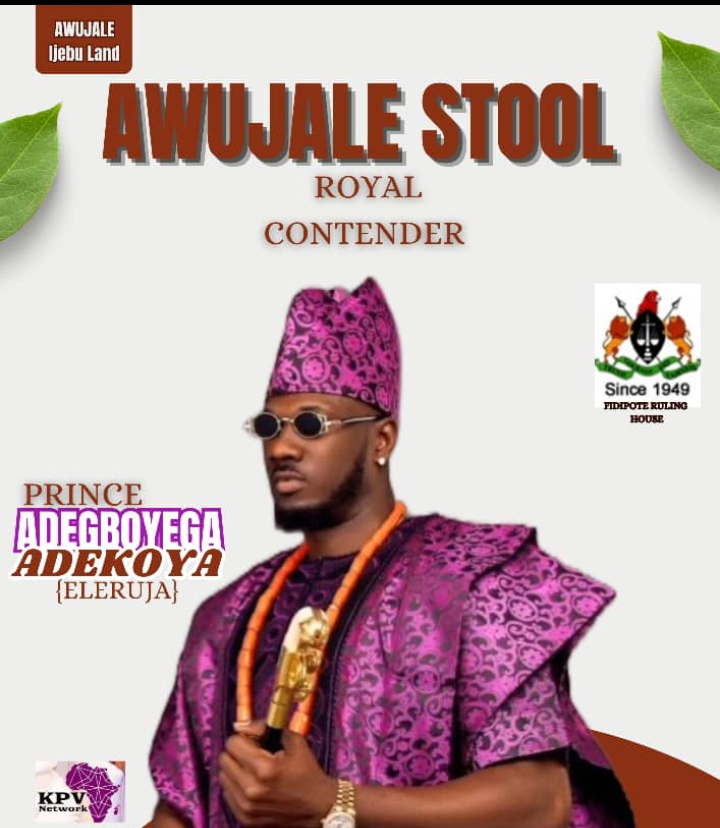
This publication presents a restored Ijebu ancestral narrative, anchored in lineage, spiritual responsibility, and strategic cultural positioning.
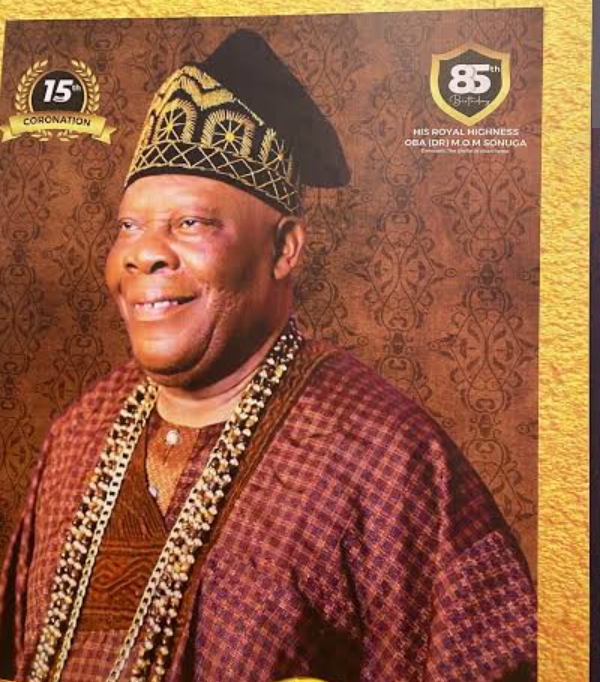
It revisits the vision and legacy of Oba Adekoya, Awujale (1916), while articulating the contemporary framework of spiritual, intellectual, cultural, and political readiness required for legitimate traditional leadership in a modern world.
Storytelling as Power
History does not disappear when it is silenced; it waits to be told correctly. For over a century, the Ijebu story—like many African royal narratives—has been filtered through colonial records that misunderstood resistance as defiance and principle as disobedience. This publication exists to restore balance.
As Steve Jobs once observed:
“The most powerful person in the world is the storyteller.”
Storytelling is not nostalgia. It is strategy. It shows how identity is preserved. It emits ways legitimacy is reclaimed, and futures are negotiated.
⸻
The True Ijebu Ancestral Lineage Narrative
The Vision and Legacy of Oba Adekoya, Awujale (1916)
Oba Adekoya ascended the Awujale stool in 1916 during a period of intense colonial interference in indigenous governance. His reign was defined by courage and foresight—a commitment to Ijebu sovereignty, cultural integrity, and ancestral order.
His resistance to colonial restructuring was not rooted in stubbornness but in principle. He envisioned an Ijebu society capable of engaging modernity without surrendering its authority or identity. His eventual dethronement was not a moral failure but the cost of integrity in an era hostile to indigenous autonomy.
Oral tradition preserves what official records omit: Oba Adekoya chose legacy over compliance. His vision remains unfinished—not defeated, but deferred.
⸻
Readiness as the Measure of Leadership
In Ijebu cosmology, leadership is not seized; it is prepared for. True readiness is holistic and earned over time.
Spiritual Readiness
Spiritual readiness reflects alignment with God and reverence for ancestral guidance. Leadership is understood as sacred stewardship, not personal entitlement. This alignment disciplines ambition, sharpens discernment, and grounds authority in humility.
Intellectual Readiness
Intellectual readiness demands rigorous engagement with history, governance, and global systems. It enables leadership to correct distortions, negotiate development, and articulate vision with clarity. Tradition, when intellectually grounded, becomes adaptive rather than obsolete.
Cultural Readiness
The Awujale is the custodian of Ijebu identity. Cultural readiness requires lived knowledge of customs, rites, language, and hierarchy—not as performance, but as responsibility. It preserves continuity while guiding evolution.
Political Readiness
Political readiness is not hunger for power. It is strategic positioning—the wisdom to navigate influence, build consensus, and protect institutional autonomy. Historically, the Awujale institution has interfaced with shifting political realities; readiness ensures engagement without compromise.
⸻
Strategic Vision: From Narrative to Nation-Building
This work is not driven by ambition for the throne, but by responsibility to narrative, network, and future possibility. Storytelling is the bedrock of legitimacy, and legitimacy is the foundation of sustainable development.
The long-term vision includes the creation of the Ijebu Heritage City—a cultural, creative, and economic ecosystem positioned as a global brand. This initiative seeks to unify heritage, tourism, education, and enterprise—ensuring that tradition generates opportunity rather than nostalgia.
⸻
Conclusion: Completing the Interrupted Story
This publication does not seek to rewrite history, but to complete it. It affirms that readiness—spiritual, intellectual, cultural, and political—is the true qualification for service. It honors the past without being imprisoned by it, and it positions Ijebu heritage confidently within a global future.
Legacy is not inherited by blood alone; it is activated by responsibility.